
What structural drying is
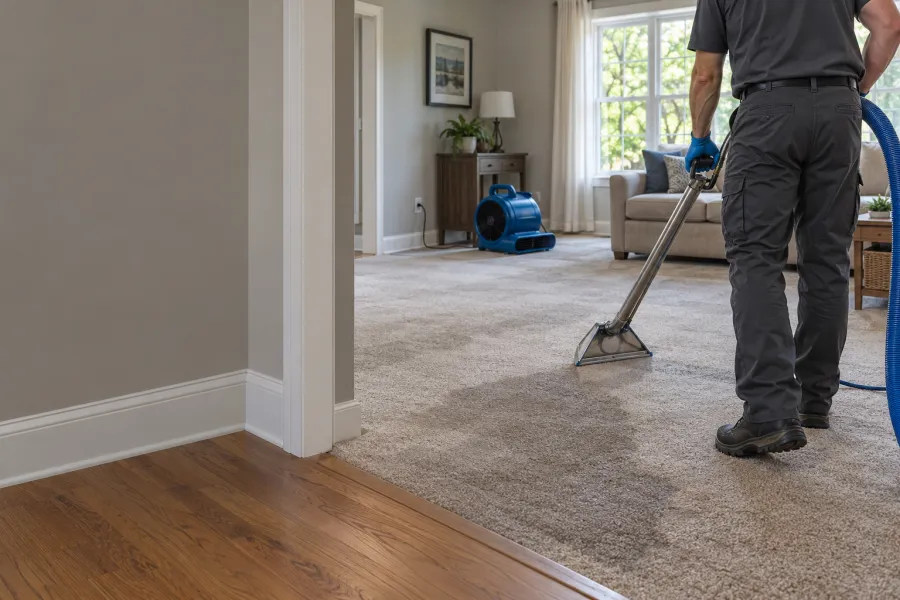
Structural drying removes water that has soaked into drywall, framing, subfloors and cabinets, not just the water you can see on the surface.
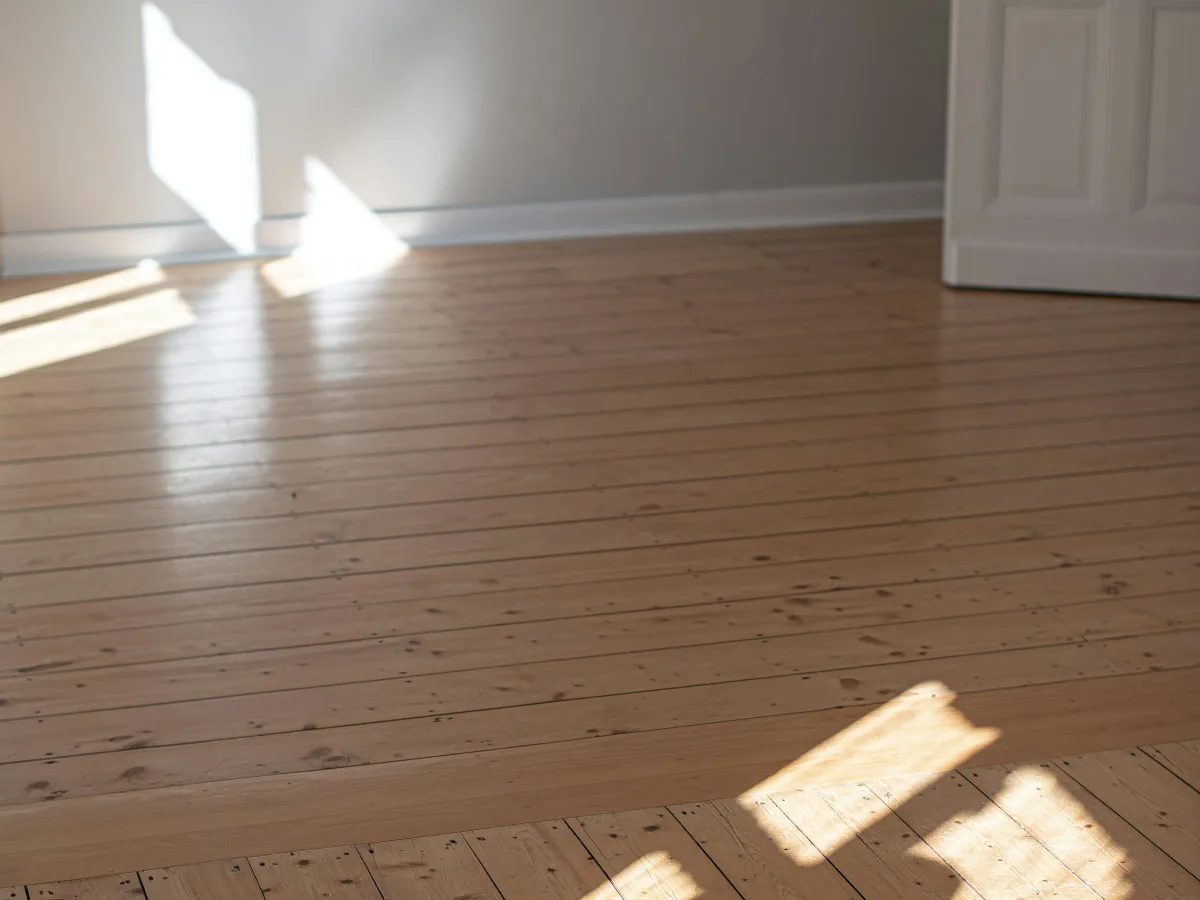
A floor can look dry while the pad, subfloor or bottom of the wall is still wet. Drying the structure keeps that hidden water from causing more damage later.
The equipment we use
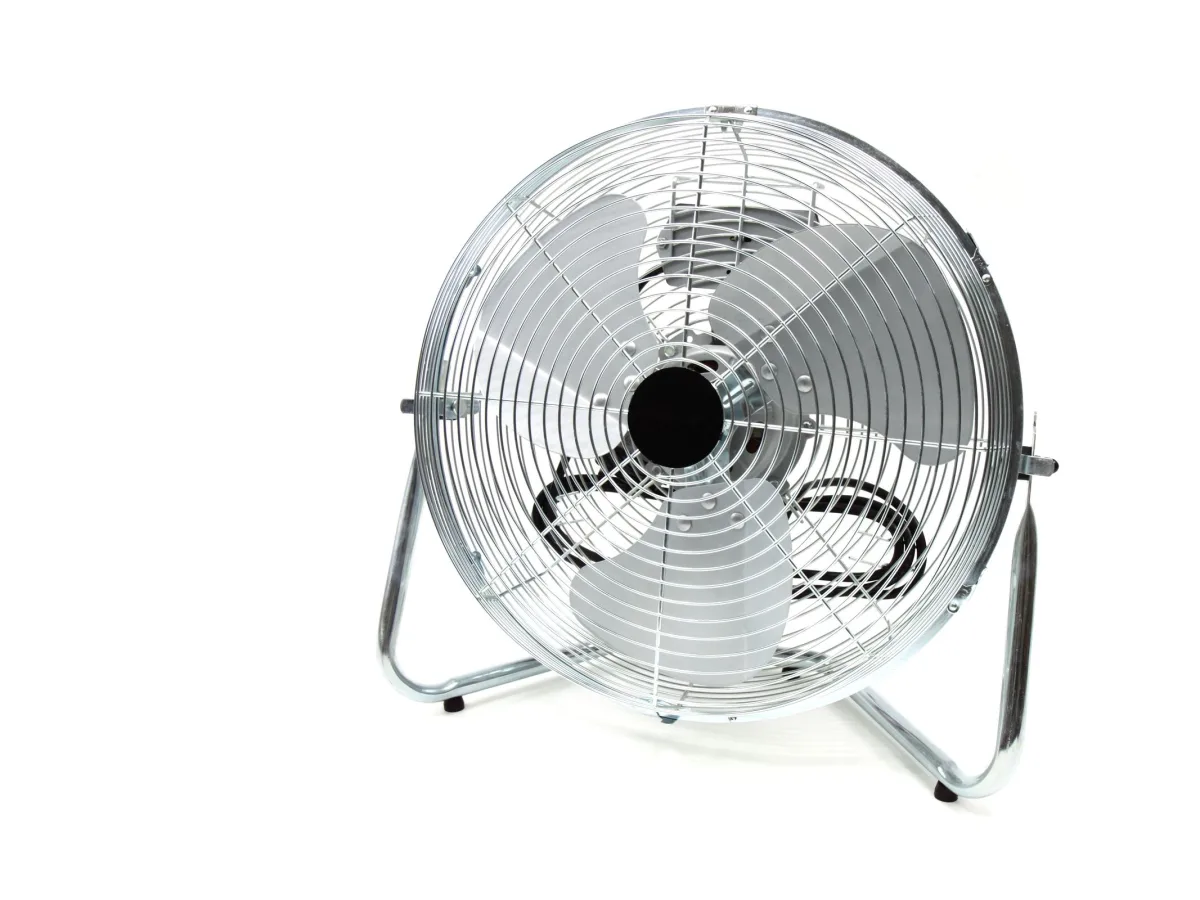
Air movers push air across wet surfaces, and dehumidifiers pull that moisture out of the air. Together they dry materials faster than open windows.
We place equipment based on moisture readings, not guesswork, and adjust it as the materials dry. Expect some fan noise and warmer rooms while it runs.
Moisture assessment
A surface can look dry while materials underneath remain wet. Moisture meters show where water is hiding so nothing gets missed.
We take readings on walls, floors, baseboards and cabinets, and record them on a moisture map for your file and your adjuster.
How we know it’s dry
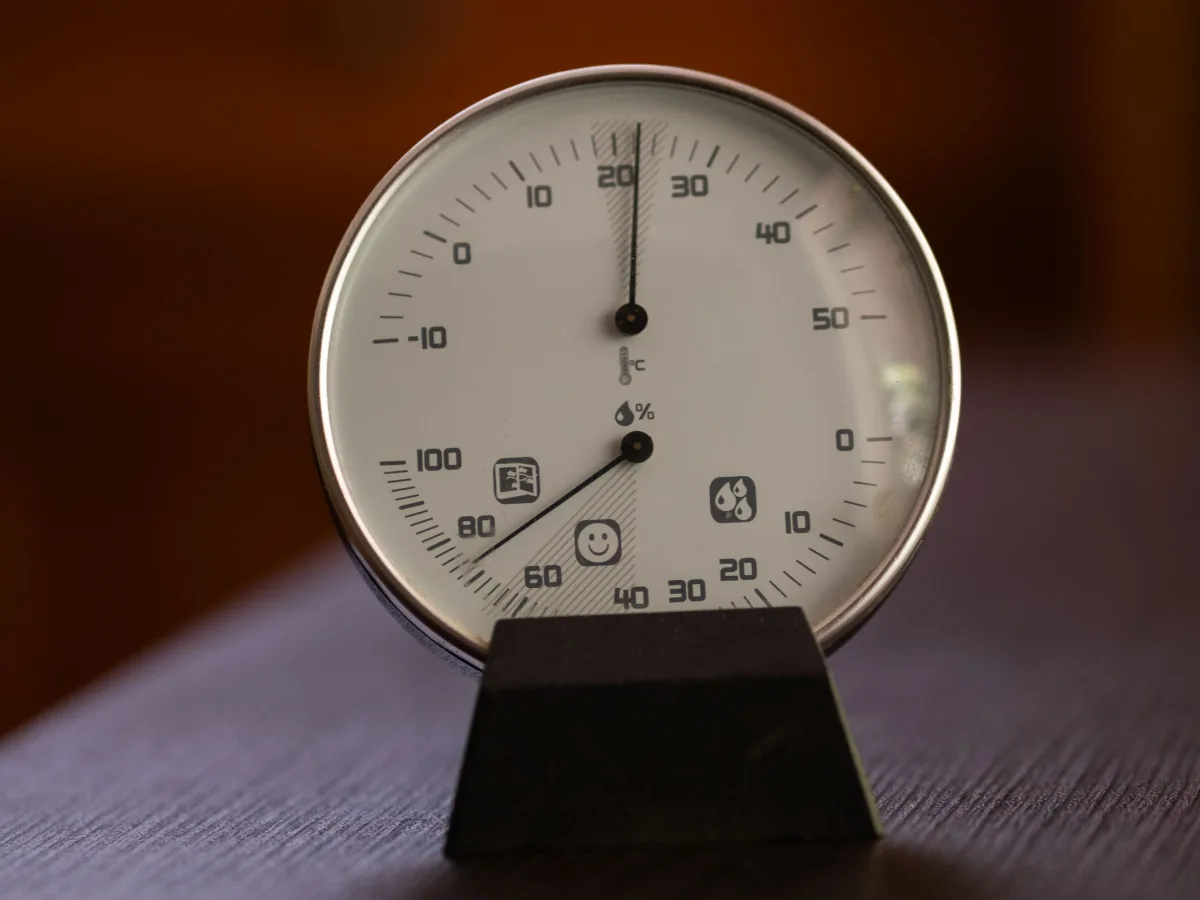
We take moisture readings on each visit and compare them with dry materials elsewhere in your home. Equipment comes out when they match.
We go over the final readings with you and provide the documentation from the drying work.
How long drying takes
It depends on how much got wet, which materials are affected and the conditions in your home. We check progress and keep you updated.
Our guide on how long it takes to dry out a house explains what speeds drying up and what slows it down.
What may need to come out
Some materials, like soaked carpet pad or swollen particleboard, can’t be dried well. Readings and photos show what can stay and what has to go.
We explain the proposed work and why it matters before anything is removed, so you can make an informed decision about your home.