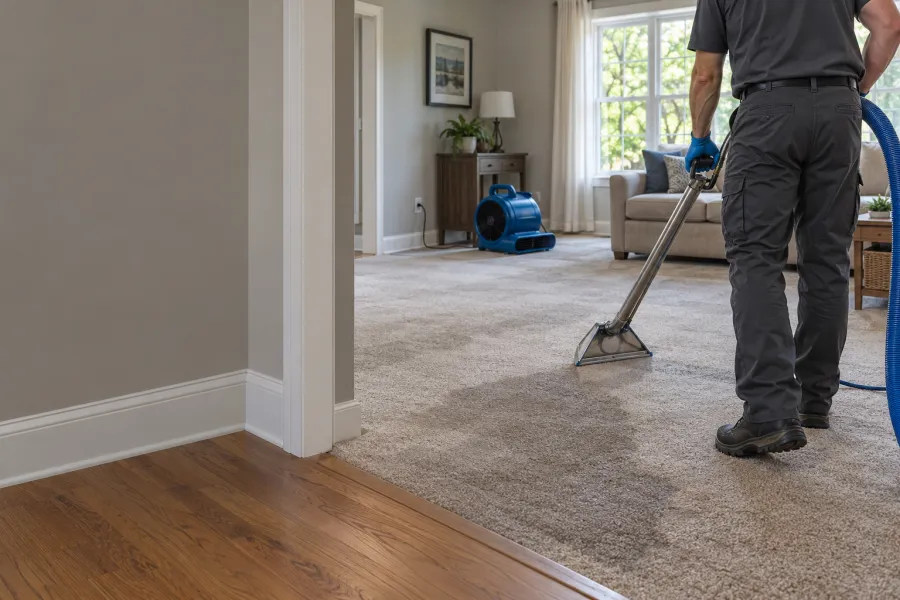

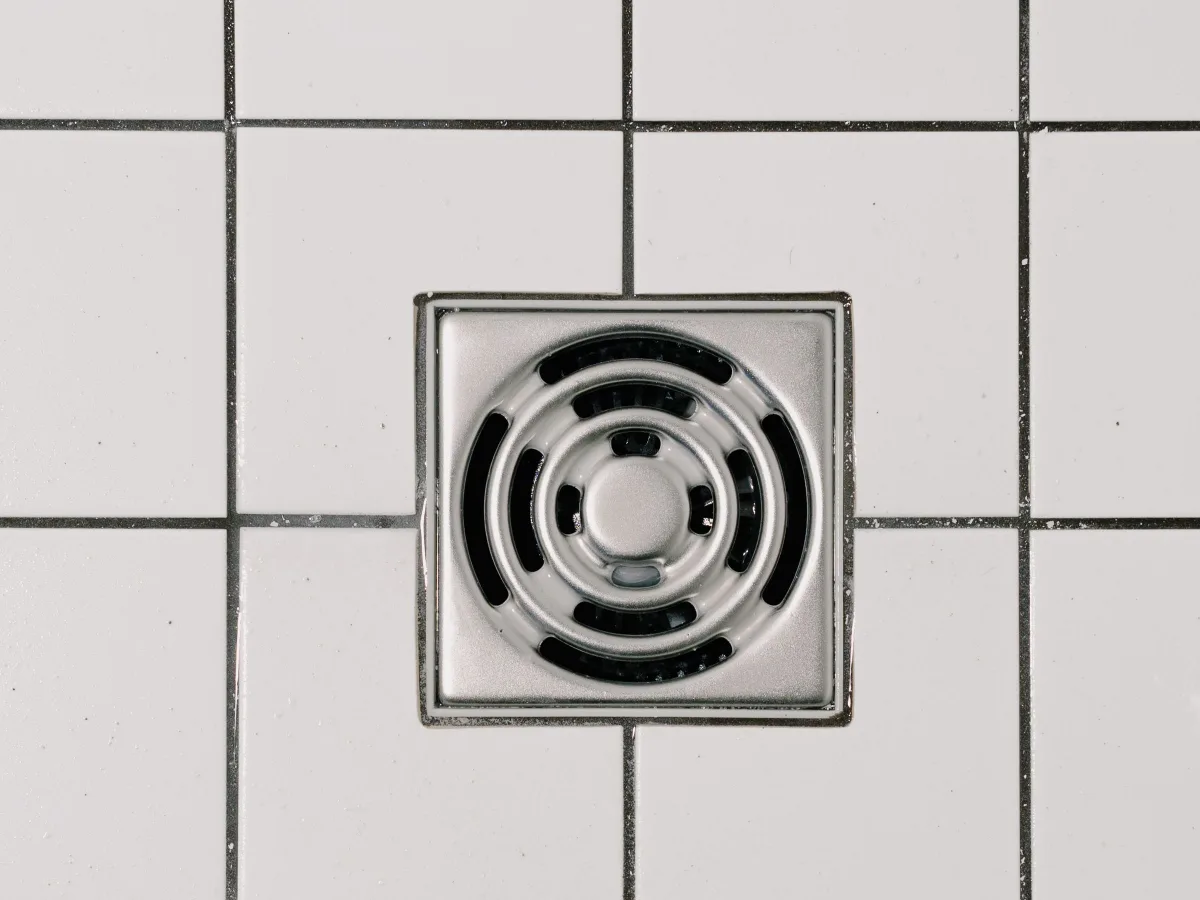
Why sewage water is different
Sewage carries bacteria and other contaminants. The industry standard treats it as Category 3 water, the most contaminated, so it needs extra care.
That standard is the IICRC S500, the water damage restoration guideline our technicians train to. Clean water from a supply line and sewage from a backed-up drain are handled very differently.
What to do right now
Keep kids and pets away, stop using sinks, toilets and showers, and keep the door to the area closed. Don’t try to clean it up yourself.
If you can do it safely, take photos for your insurance company. Then call us at (405) 519-3568 and we’ll talk you through the next steps.
What we do on site
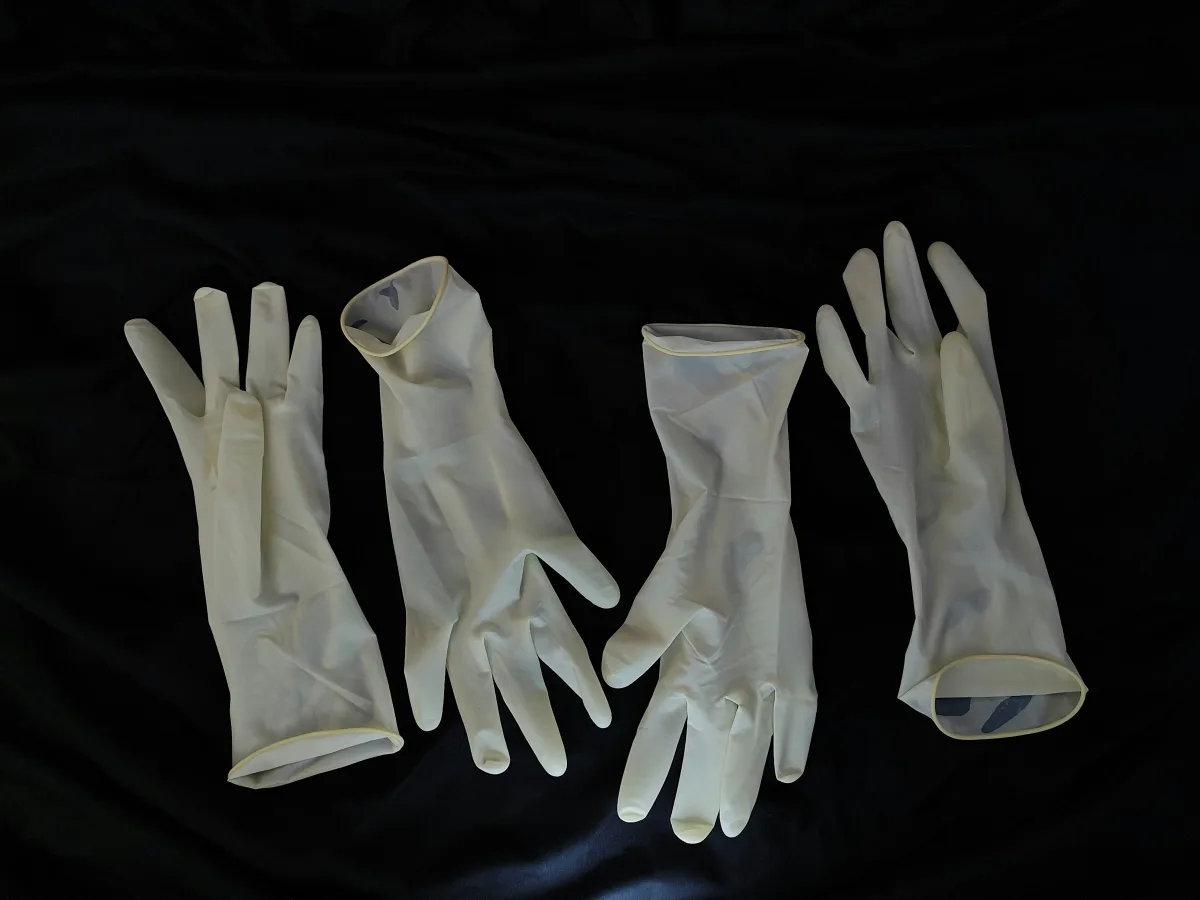
We contain the affected area, remove the water and contaminated materials, clean and sanitize the surfaces, then dry the structure.
- Protect the rest of the house. We work in protective gear and keep the affected area separated.
- Remove the water. Contaminated water is extracted and disposed of properly.
- Remove what can’t be saved. Porous materials soaked by sewage, like carpet and pad, usually come out.
- Clean and sanitize. Hard surfaces are cleaned and treated.
- Dry and verify. Drying equipment and moisture readings confirm the structure is dry.
Insurance and sewage backups
Coverage for sewer and drain backups varies from policy to policy. Your agent or carrier can tell you what your policy includes.
We document the loss with photos, moisture readings and drying records either way. Read more about how a claim works with United.